From Perimeter to Identity: Key Takeaways from the BusinessWorld Cybersecurity Summit
A reflection on BusinessWorld Cybersecurity Summit
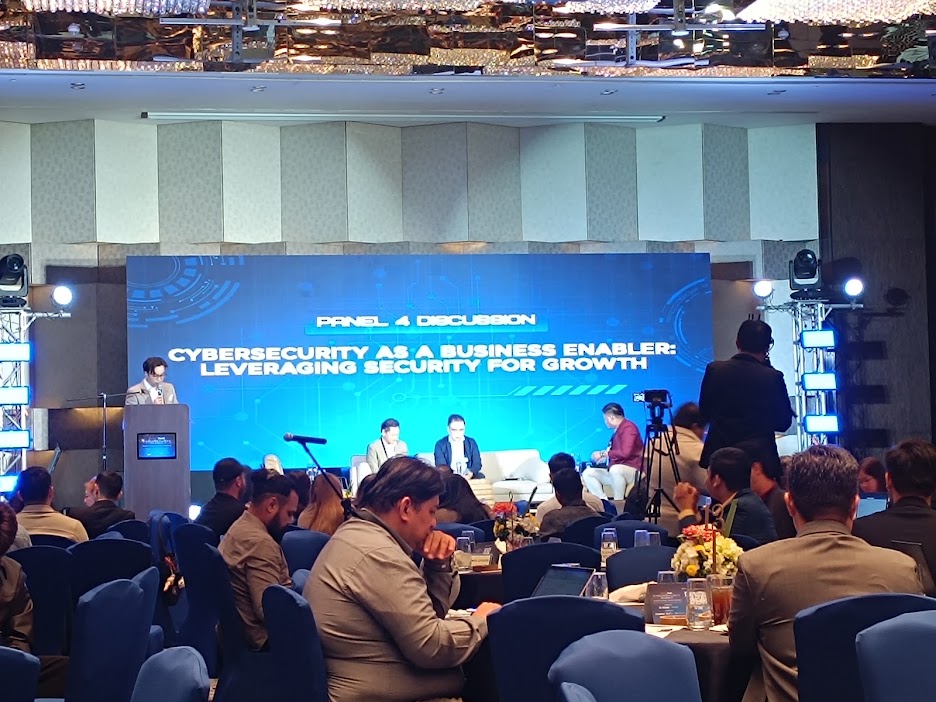
Yesterday, I attended the BusinessWorld Cybersecurity Summit, an event that underscored a critical reality: in our rapidly digitizing world, cybersecurity is no longer just a technical checkbox—it is a foundation of trust and national resilience.
Throughout the day, one message stood out, particularly from Alexis Bernardino: we are at a "dangerous crossroads of AI and cybersecurity," and for organizations to survive, they must shift their mindset from simple compliance to true resilience.
The Cloud and the New Security Perimeter
A major theme was the transition from traditional, monolithic systems to cloud-based microservices. In the past, security was about protecting the "perimeter" of an office. However, with cloud adoption and remote work, that perimeter has vanished.
As Alexis Bernardino and other panelists noted:
- Identity is the new perimeter. Threat actors are moving away from sophisticated technical exploits toward social engineering to harvest credentials.
- Microservices increase the attack surface. Breaking systems into hundreds of components means more identities (both human and machine) that require strict Identity and Access Management (IAM).
- 5,001 Perimeters: If an organization has 5,000 remote employees, they no longer have one office perimeter; they have 5,001 individual perimeters to secure.
Integrating Security: The Shift to DevSecOps
The summit emphasized that security cannot be an "afterthought". Instead, there is a dire need to "Shift Left"—integrating security into the very beginning of the development lifecycle.
This is where DevSecOps becomes the business enabler:
- Security by Design: Security requirements must be defined at the onset of a project. If a new system cannot integrate with existing identity management, it should not be deployed.
- From Gatekeepers to Guardrails: Security teams must provide guardrails that allow developers to move fast while staying safe, rather than being a roadblock to innovation.
- Democratizing Security: Cybersecurity is a shared responsibility. It must be "democratized" so that everyone—from the developer to the business owner—is accountable for the product's security.
The Alexis Bernardino Highlights: The AI Crossroads
Alexis Bernardino provided a sobering look at how AI is accelerating the threat landscape, specifically referencing the "Mythos" discovery from April 2026.
- "Every Day is a Zero Day": AI agents are now discovering thousands of "zero-day" vulnerabilities that have existed for decades but were previously unseen.
- The 16-Hour Window: The "mean time to exploit"—the time between a vulnerability being discovered and an attacker using it—has dropped from years to a mere 16 hours.
- Preemptive Cyber Defense: To counter this, Alexis advocated for a shift toward preemptive defense, where AI tools are used to neutralize threats and provide a "30 to 60-day heads-up" before a compromise even occurs.
Leadership: Moving from Compliance to Resilience
Perhaps the most important takeaway was Bernardino’s "Five Leadership Imperatives," centered on the idea that resilience is more valuable than compliance.
- Lead with Resilience: Compliance protects you against yesterday's requirements; resilience prepares you for tomorrow's uncertainties. The question isn't "Are we compliant?" but "If we are attacked tomorrow morning, can we still operate tomorrow afternoon?".
- Cybersecurity belongs in the Boardroom: It is no longer just an IT issue; it is a national leadership responsibility. CEOs and boards must own the risk.
- Collaborate to Win: Cybercriminals collaborate; defenders must do the same through public-private partnerships.
- Democratize Defense: Every employee and citizen is now part of the national cyber defense.
- Invest in People: Preparedness will always cost less than recovery.
Final Thoughts
The future does not belong to the nation with the fastest internet or the most advanced technology, but to the nation and the organizations that people can trust. By integrating security into our DevSecOps workflows and adopting a "resilience-first" mindset, we aren't just defending systems—we are building the foundation for a stronger, more trusted digital economy.